
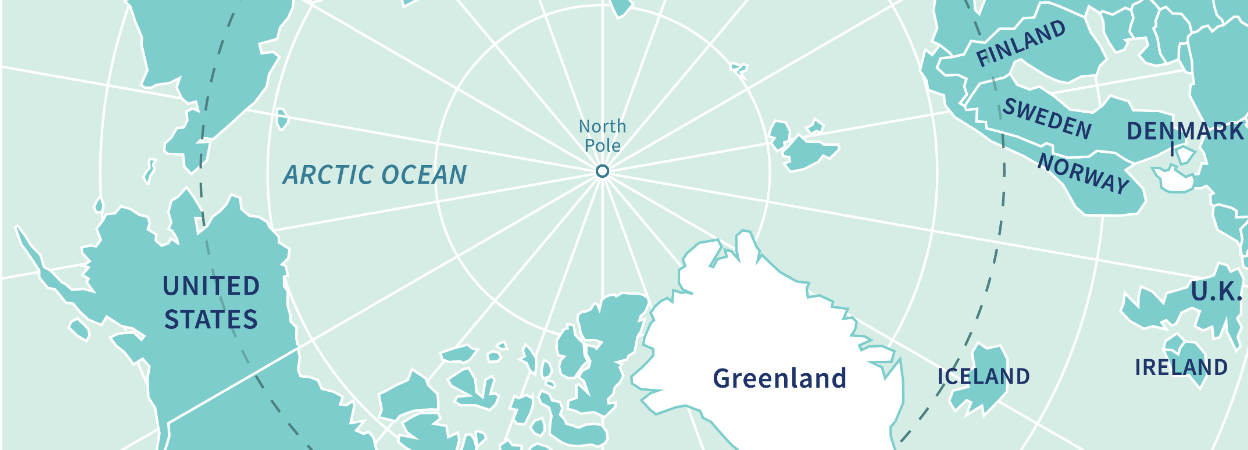
The EU’s updated Arctic strategy no longer commits to pursuing a multilateral legal obligation against further hydrocarbon development. It still says oil, coal and gas should stay in the ground and that projects threatening the Arctic ecosystem should be prevented.
Published on 20 October, the strategy gives greater prominence to security and resilience alongside climate, economic development and the needs of Arctic communities. Its security measures include improved monitoring and information-sharing, as well as support for protecting and repairing submarine cables.
The change in wording concerns the EU’s approach to fossil-fuel development. The 2021 policy committed the Commission to work with partners towards a multilateral legal obligation against further hydrocarbon reserve development in the Arctic and contiguous regions. The new strategy does not repeat that commitment. However, it reaffirms the EU’s aim to keep oil, coal and gas in the ground, including in Arctic regions, and says the Commission will work with partners to prevent hydrocarbon developments that threaten the Arctic ecosystem. The change is therefore a retreat from pursuing an international legal ban, not an endorsement of Arctic drilling.

Barents Sea exploration continues
Norway has welcomed the removal of the explicit moratorium language, while maintaining that development decisions over Norwegian resources are for Norway to make. For subsurface companies, exploration is continuing under Norway’s own licensing framework: APA 2026 added 38 blocks or parts of blocks in the Barents Sea to the predefined area. The application deadline passed on 1 September, and awards are expected in early 2027.
The policy debate comes as Equinor, Aker BP and Vår Energi have established a strategic exploration partnership on the Norwegian continental shelf.
For geoscientists and exploration teams, the strategy is a significant policy signal, but it does not remove environmental scrutiny or the uncertainty around future Arctic projects. The distinction between dropping a proposed international legal obligation and retaining the goal of keeping fossil fuels in the ground will remain important in assessing licensing, project and investment risk.

