
Two separate permitting processes put offshore site characterisation and legacy seismic data in focus.
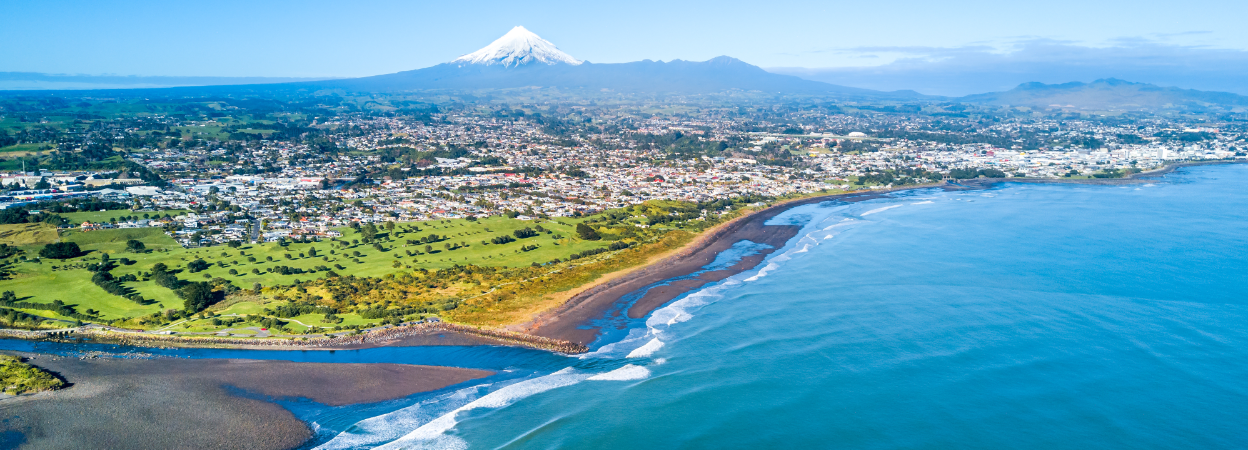
New Zealand has opened its first offshore renewable energy feasibility permit application round, covering designated areas offshore Taranaki and Waikato / South Auckland. Applications opened on 19 October 2026 and close at 5:00 pm NZST on 19 April 2027. A feasibility permit allows developers to assess a project’s viability; construction would require a subsequent commercial permit and other consents.
The feasibility phase may involve geophysical and geotechnical surveys, wind measurements and environmental studies—work that will help define seabed conditions and inform project design.

Separately, Sunda Energy said its application for a petroleum exploration permit in the Awakino area of the Taranaki Basin had become exclusive after a three-month period for competing offers. The approximately 645 km² application area includes the Awakino-1 and Awakino South-1/ST1 gas-condensate discoveries, made in 1985. Sunda’s proposed programme includes technical studies of existing well and field data and reprocessing 450 km² of 3D seismic data within 36 months. The application still requires detailed consideration by New Zealand Petroleum and Minerals; the company said the permit award and timing are not guaranteed.
The two developments concern different permit types and regulatory processes; the announcements do not establish a direct link or an overlap between their areas. Together, they highlight the role of subsurface data—from new marine surveys to reprocessed legacy seismic—in evaluating offshore opportunities.

