
Japan's offshore wind sector continues to evolve against a backdrop of contrasting developments. While Equinor has announced it will end its offshore wind activities in Japan and close its Tokyo office by the end of 2026, new technical collaborations are emerging to strengthen the country's offshore wind capabilities.
Equinor's decision reflects a broader strategic shift towards integrated power markets and follows a period in which the company was unable to secure offshore wind leases in successive Japanese auctions. The move is part of a wider reassessment of its renewables portfolio, with the company focusing on projects that offer stronger long-term returns. The decision also highlights the commercial challenges facing offshore wind developers globally, including rising project costs, supply chain constraints and evolving market conditions.
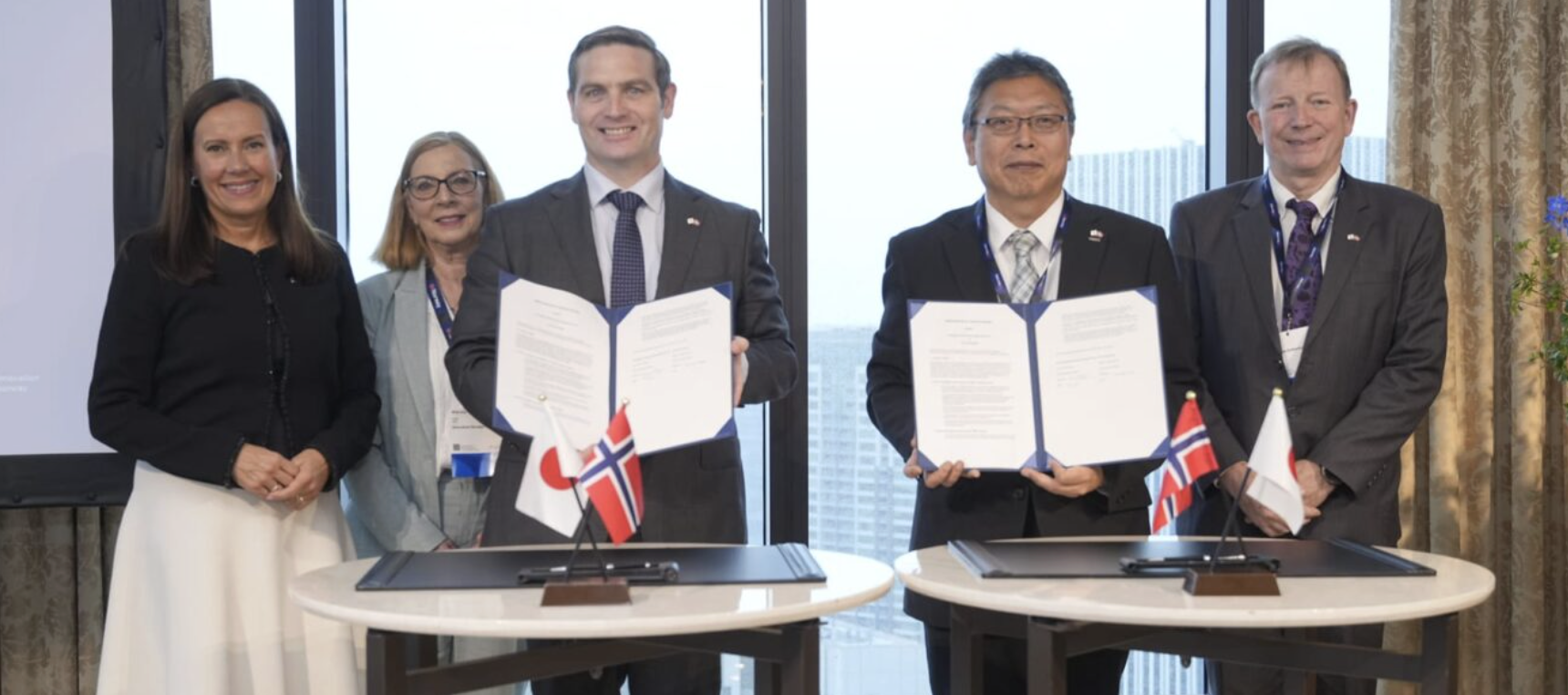
In contrast, the technical ecosystem supporting Japan's offshore wind ambitions continues to develop. Earlier this week, Norway's NGI (Norwegian Geotechnical Institute) and Japan's OYO Corporation signed a Memorandum of Understanding to collaborate on offshore wind projects. The partnership will focus on geotechnical investigations, site characterisation, applied research and knowledge exchange, combining NGI's offshore geotechnical expertise with OYO's extensive experience in the Japanese market.
Robust geotechnical site investigation and subsurface characterisation are fundamental to offshore wind development, supporting foundation design, installation planning and long-term asset integrity. As projects move into deeper water and more challenging geological environments, advanced geophysical and geotechnical workflows are becoming increasingly important for reducing uncertainty and managing project risk.
Taken together, these developments illustrate two sides of Japan's offshore wind story. Commercial conditions remain challenging for international developers, prompting some to reconsider their market positions. At the same time, investment in subsurface knowledge, site investigation and technical capability continues, reflecting the long-term importance of geoscience and engineering in delivering future offshore wind projects.
For geoscientists, the message is clear: while market participation may fluctuate, the demand for high-quality subsurface data, geophysical interpretation and geotechnical expertise remains central to the successful development of offshore renewable energy.
Sources: Reuters (Equinor); NGI/OYO Corporation.
Image by Innovation Norway showing the signing of the agreement of NGI & OYO.

