
France's national geological survey, BRGM, and Australian geoscience technology company Fleet Space Technologies have signed a Memorandum of Understanding (MoU) to collaborate on the development of new geophysical exploration methods aimed at supporting national mineral resource programmes. The initial focus will be on French Guiana, where the partners will investigate innovative approaches to geophysical data acquisition and subsurface interpretation in one of the world's most challenging exploration environments.
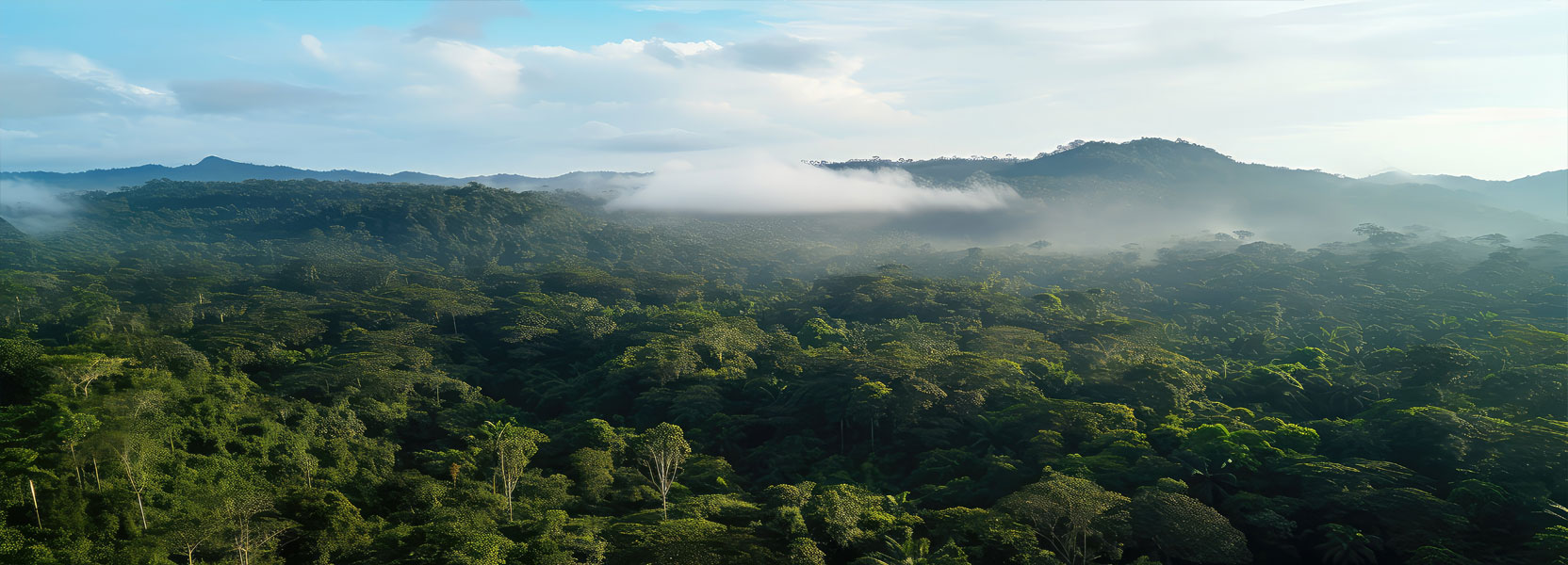
French Guiana is considered prospective for critical mineral resources, but its dense tropical rainforest and limited accessibility make exploration technically and logistically demanding. The collaboration forms part of France's broader effort to update its strategic inventory of critical mineral resources in support of the energy transition and long-term resource security. The initiative follows BRGM's Geophysics Innovation Challenge, launched in 2025 to identify innovative technologies capable of improving geological understanding in complex frontier regions (to update knowledge of the geological potential for strategic metals).
Under the agreement, the partners will combine BRGM's extensive expertise in geological mapping, geophysics and mineral exploration with Fleet Space's satellite-enabled seismic sensing, edge computing and AI-assisted subsurface imaging technologies. The objective is to develop scalable, lower-impact methods for regional subsurface characterisation that can improve the identification of concealed mineral systems while reducing the environmental footprint of exploration activities.
The collaboration reflects a broader shift in mineral exploration towards integrating advanced geophysical acquisition, artificial intelligence and digital interpretation workflows. As countries seek to secure supplies of critical raw materials, geological surveys are increasingly evaluating technologies that can accelerate exploration while providing higher-quality subsurface information in remote and environmentally sensitive areas.
Although the initial programme is centred on French Guiana, the partners note that the methodologies developed through the collaboration could inform future national geoscience programmes in other frontier regions where conventional exploration approaches remain challenging.

