
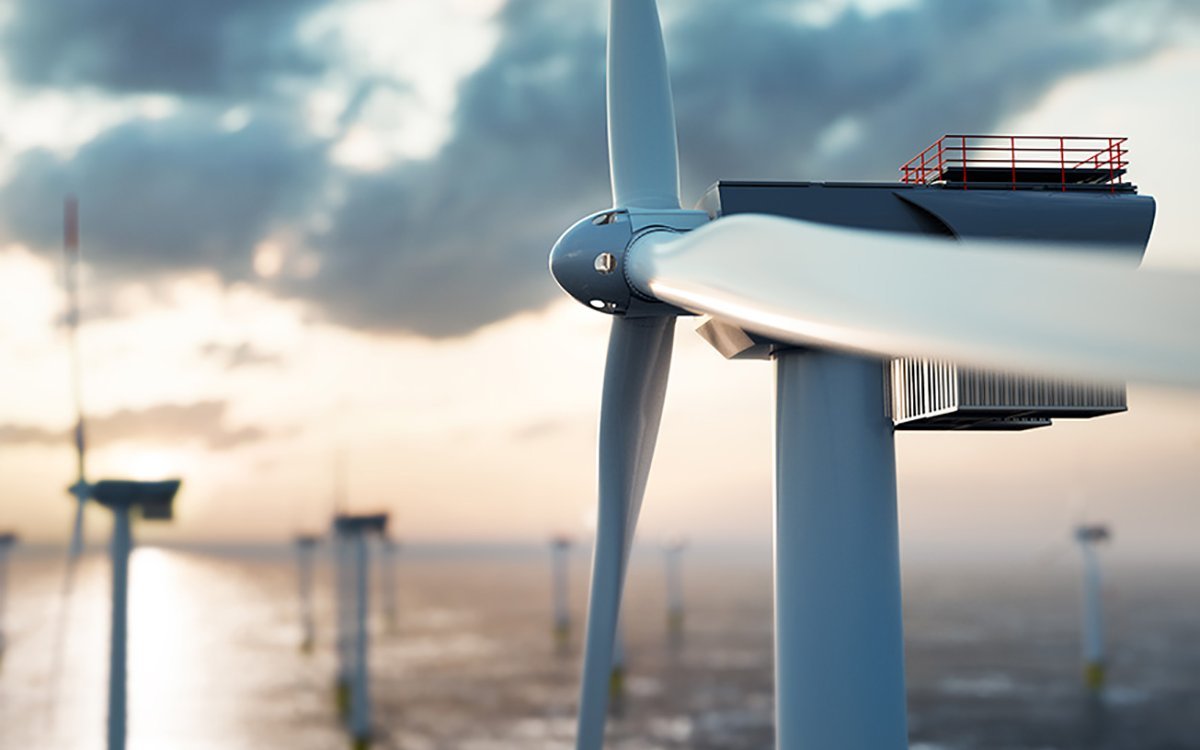
A new study by the Fraunhofer Institute for Wind Energy Systems (Fraunhofer IWES) suggests that a more coordinated approach to offshore wind development across the North Sea could both increase electricity generation and reduce costs. Commissioned by the German Association of Energy and Water Industries (BDEW) and the German Offshore Wind Energy Association (BWO), the study examines how cross-border planning could improve the efficiency of future offshore wind deployment.
The researchers conclude that concentrating the planned 70 GW of German offshore wind capacity within the country's Exclusive Economic Zone (EEZ) may lead to increasing wake effects between neighbouring wind farms, reducing overall energy yields. Instead, scenarios that relocate up to 20 GW of capacity to neighbouring North Sea countries while connecting the power to the German grid could increase annual energy production by 6–13% and reduce the levelised cost of electricity by 6–11%.
The findings highlight the growing importance of basin-scale planning, marine spatial optimisation and international collaboration as offshore wind continues to expand across Europe.
These themes will also feature at the Offshore Wind Conference as part of the EAGE Geoscience & Energy Transition Conference & Exhibition 2026 (GET2026) in Hannover, where geoscientists, engineers, policymakers and industry leaders will discuss the integration of offshore energy systems, marine geoscience and the digital tools needed to optimise the energy transition.
For more details on the GET2026 Offshore Wind Conference, visit the event website.

