
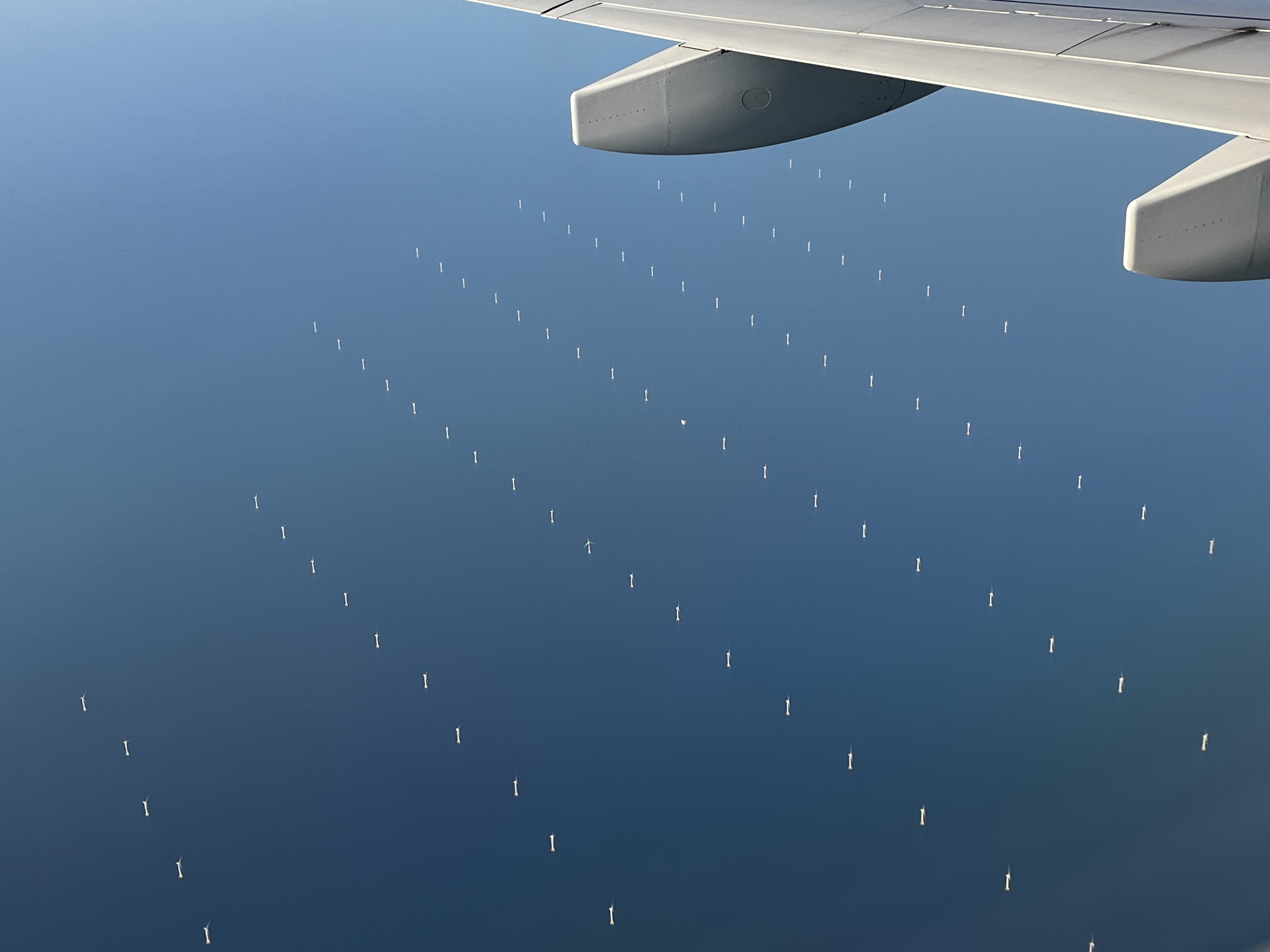
Sweden’s Vattenfall has secured both projects awarded in Denmark’s latest offshore wind tender, putting the company on course to more than double its existing Danish offshore wind capacity.
Vattenfall won the rights to develop the 1 GW North Sea I Mid project and the 800 MW Hesselø project. North Sea I Mid is located approximately 20 km from the Danish west coast near Hvide Sande, while Hesselø lies in the Kattegat between Denmark and Sweden, around 30 km offshore.
The company submitted winning strike prices of DKK504/MWh—approximately €67.50/MWh—for North Sea I Mid and DKK542/MWh—approximately €72.50/MWh—for Hesselø.
Both projects are covered by 20-year two-sided Contracts for Difference, designed to provide revenue stability while limiting both developer and government exposure to electricity-market fluctuations. The Danish state has established net payment ceilings of DKK15.7 billion for North Sea I Mid and DKK21.9 billion for Hesselø.
The tender represents a recovery for the Danish offshore wind market after a subsidy-free auction in 2024 failed to attract any bids. Denmark subsequently revised its model following discussions with developers, introducing state support, greater flexibility and a more balanced allocation of project risk.
Vattenfall currently operates five offshore wind farms in Denmark with a combined capacity of approximately 1.5 GW. The addition of at least 1.8 GW would therefore more than double its Danish offshore portfolio.
‘Winning both projects reflects our continued ambition to grow our offshore wind portfolio and support the electrification of industry and society,’ said David Flood, head of Vattenfall’s offshore business. ‘Projects like this demonstrate how we are scaling offshore wind while maintaining a strong focus on affordability and long-term value.’
Danish developer Ørsted confirmed that it had also submitted a bid but was unsuccessful. The company said its offer reflected its disciplined approach to capital allocation and its strategy of prioritising ‘value over volume’. Ørsted has not disclosed which project it targeted or the price it submitted.
The two wind farms are expected to generate approximately 7.8 TWh annually, equivalent to around one-quarter of Denmark’s 2025 electricity production. Both are scheduled to enter operation by the end of 2032.
Project-specific environmental assessments and engineering work will now follow. The awards are expected to generate substantial demand for seabed mapping, geophysical and geotechnical site characterisation, cable-route studies and foundation-design data.

