
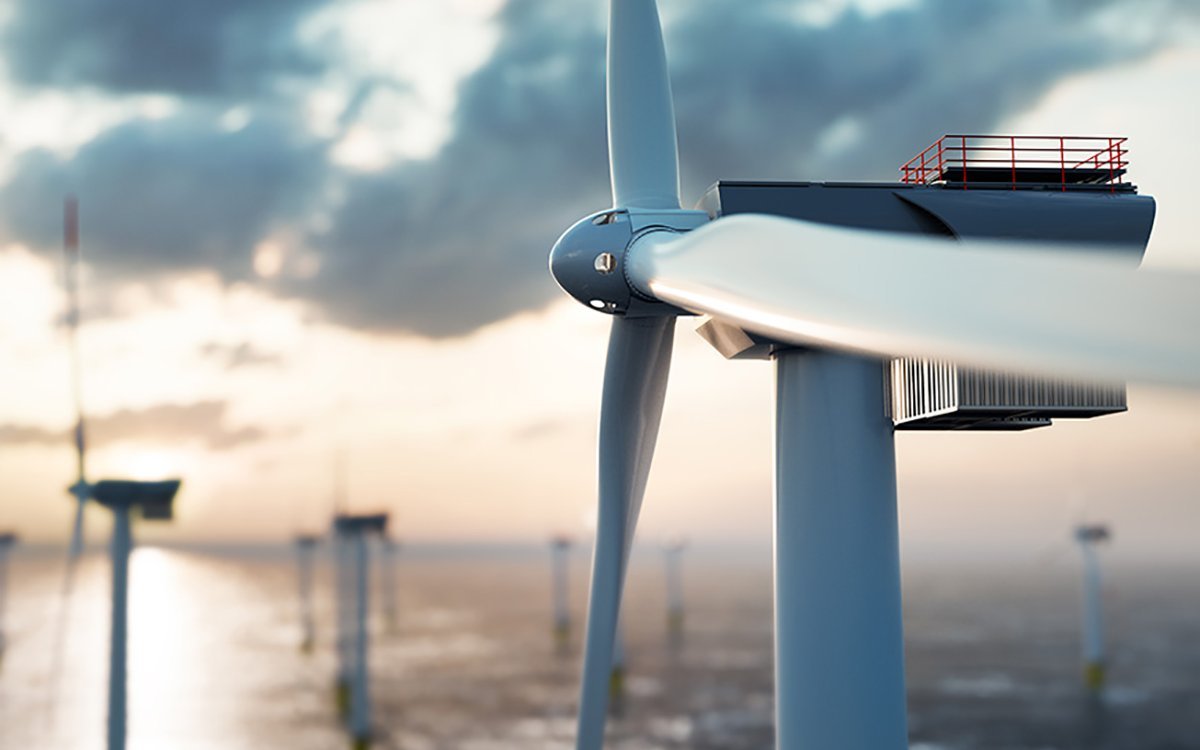
TotalEnergies has filed for authorization for Centre Manche Energies, a 1.5 GW offshore wind project planned more than 40 km off the Normandy coast. The move marks an important step for what the company describes as the largest renewables project ever developed in France.
The project, awarded by the French State eight months ago, is expected to generate around 6 TWh of electricity per year, enough to supply more than one million French homes. With an estimated investment of €4.5 billion, Centre Manche Energies could also become a significant industrial project for Normandy, supporting up to 2,500 jobs during the three-year construction phase.
The authorization application includes technical and environmental surveys, a preliminary design for the wind farm, and the proposed installation programme. TotalEnergies says the environmental impact assessment reflects survey results, discussions with government departments, and consultation with regional stakeholders. The permitting process will now move into examination by the French authorities, while engagement continues with local officials, environmental organisations, seafarers and the public.
The announcement is particularly interesting because it comes shortly after TotalEnergies decided to end its offshore wind development activities in the United States. In March, the company signed agreements with the US Department of the Interior to relinquish two offshore wind leases: Carolina Long Bay and New York Bight. TotalEnergies said its studies showed that offshore wind in the US was more costly than in Europe and could negatively affect power affordability for consumers.
Seen together, the two decisions show how offshore wind is becoming increasingly shaped by regional market conditions. In Europe, TotalEnergies is moving forward with a major project backed by state planning, established offshore supply chains, and a political framework that continues to support large-scale renewable electricity. In the US, the company has chosen to step back, citing cost, affordability and alternative energy options.
Centre Manche Energies represents more than another offshore wind milestone. It is a reminder that the energy transition is not unfolding evenly across markets. While some regions are accelerating offshore renewables, others are reassessing the economics and policy risks. For the geoscience community, this uneven landscape creates both challenges and opportunities, particularly in the growing need for integrated offshore site characterization, environmental assessment and risk-informed project development.

