
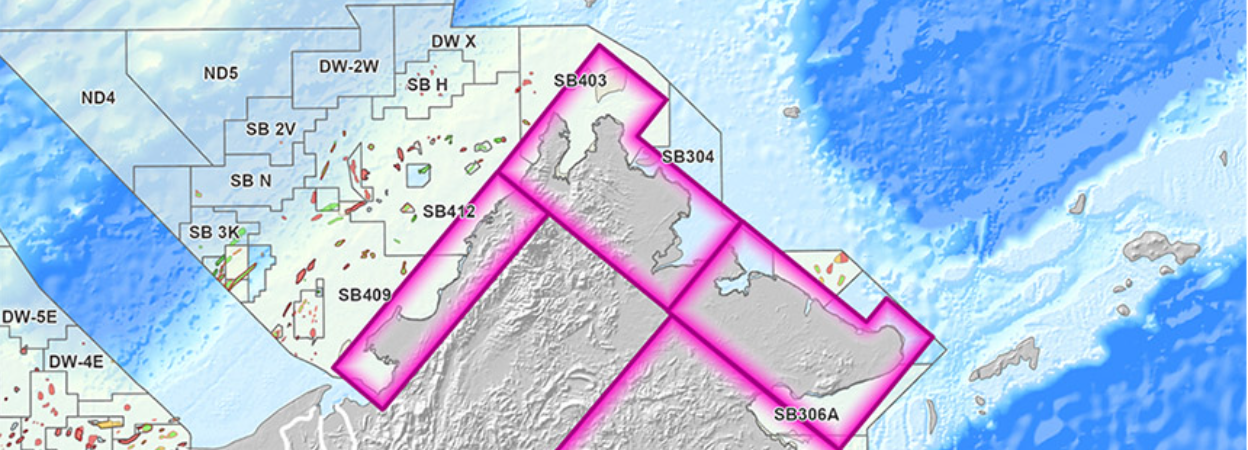
Viridien has launched an 18-month integrated geoscience study covering approximately 60,000 km² of onshore Sabah, Malaysia, where limited modern seismic coverage has left significant exploration questions unresolved.
The multi-client Integrated Prospectivity and Subsurface Study (IPSS) is being undertaken in collaboration with PETRONAS through Malaysia Petroleum Management (MPM). It aims to provide explorers and investors with a clearer, data-driven assessment of the region’s hydrocarbon potential, including its possible relationship with proven petroleum systems offshore Sabah.
Viridien will integrate geological and geophysical information with remote-sensing, field and laboratory data to evaluate prospectivity at the basin scale and identify potential exploration opportunities.
The planned deliverables include petroleum-play definition, sweet-spot identification, resource assessment and ArcGIS-based digital geological mapping. The results are also expected to support the planning of future exploration campaigns and potential seismic acquisition.
Dechun Lin, head of Earth Data at Viridien, said the company would apply its geoscience and subsurface characterisation capabilities to an area where “modern seismic data coverage remains limited, but the exploration potential is considered significant”.
The study represents a move to improve understanding of Sabah’s less-explored onshore basins using an integrated workflow before committing to more costly seismic acquisition and drilling. By combining regional geological knowledge with newly integrated datasets, the project could help define viable plays and direct future exploration towards the most prospective areas.

