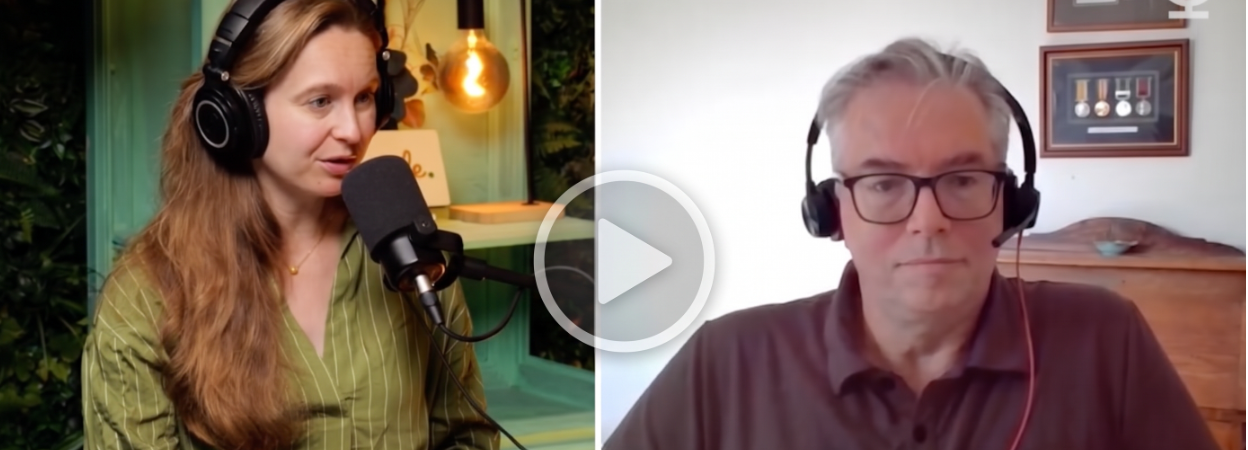
In this episode of The Geoscience Channel, host Myrna Staring speaks with Paul Cleverley, visiting professor of information science and technology at Robert Gordon University and chair of the IUGS AI Ethics Task Group.
Cleverley argues that responsible AI use in geoscience depends on more than a set of rules. It also calls for the habits of a good scientist: curiosity, scepticism, open-mindedness, integrity and the courage to question results. AI can help geoscientists search large collections of information, uncover connections and challenge their own thinking. But professionals remain accountable for work they sign off: if there is no time to check an AI-generated output, it should not be used.
The conversation also explores data provenance, privacy and informed consent, the risks of concentrated control over AI infrastructure, and why “open source” needs to be defined accurately. Cleverley’s vision is a more equitable geoscience AI landscape, where users have access to capable tools and retain meaningful control over their data.
His closing advice reaches beyond AI: technical expertise matters, but communication and social skills are essential to making it count.