Podcast The Geoscience Channel: AI Meets HPC (with Nefeli Moridis, NVIDIA and David Holmes, Dell)
AI Meets HPC—Transforming Subsurface Workflows
How do energy companies turn advances in AI and high-performance computing into better subsurface decisions—and where should those workloads run?
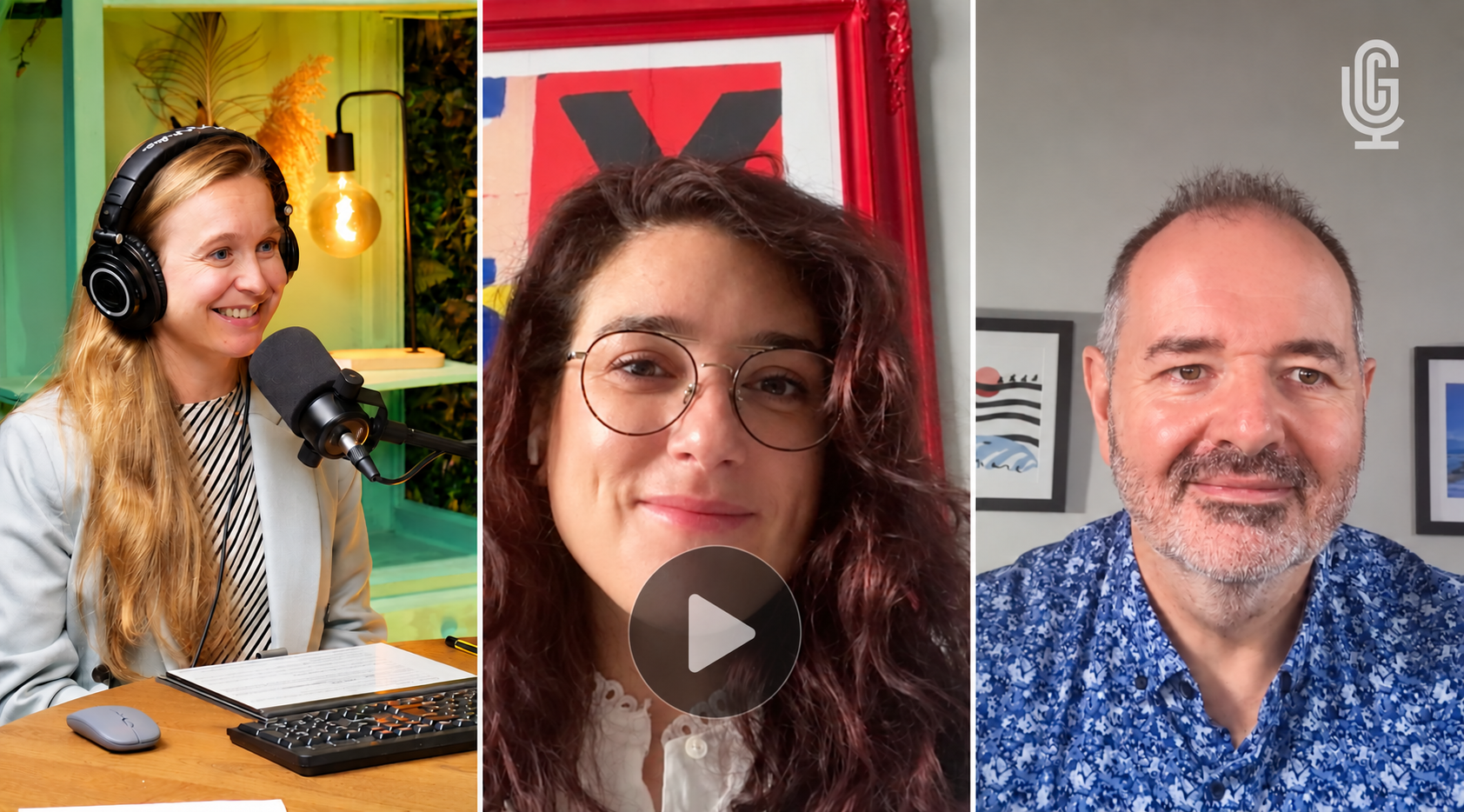
In this episode of The Geoscience Channel, host Myrna Staring speaks with David Holmes of Dell Technologies and Nefeli Moridis of NVIDIA about the technology, partnerships and organisational changes shaping the next generation of geoscience workflows.
From elastic full-waveform inversion to reservoir simulation, the conversation explores how accelerated computing and AI can work together to make demanding workflows more practical, improve subsurface understanding and shorten the path from data to decisions. The guests explain why progress depends on combining computing infrastructure with optimised software, accessible data and domain expertise.
They also examine the choices behind deployment: edge, on-premises or cloud—and build, buy or collaborate? Workload requirements, utilisation, economics, latency and data sovereignty all influence the answer. Alongside these infrastructure decisions, Holmes and Moridis discuss why seismic images and time-series data require different approaches from text-based language models.
The discussion moves beyond individual applications to the challenge of bringing AI into everyday operations. Topics include data quality and provenance, the evolving role of national data repositories, agentic workflows and the need for both executive leadership and practical engagement from geoscientists and developers.
Looking ahead, the guests explore physical AI, digital twins and safer field operations. They close with a message for researchers and early-career professionals: strong geoscience knowledge remains essential, while the ability to combine that expertise with emerging computing tools opens new opportunities.
Watch the full episode to explore how AI and HPC are changing subsurface work—and what it takes to put them into practice.
This episode is produced with the support of Dell Technologies and NVIDIA.